
Business days vs calendar days is one of the most common sources of deadline confusion in contracts, shipping, HR, and payments. Business days count Monday to Friday only, excluding public holidays. Calendar days count every day of the week, including weekends and public holidays. The difference between the two shifts a deadline by several days or more than a week.
Use the free business days calculator to count exact business days between any two dates, excluding weekends and public holidays automatically.
Business Days vs Calendar Days: The Core Difference
The table below shows the key differences between business days and calendar days.
| Business Day | Calendar Days | |
|---|---|---|
| Days counted | Monday to Friday | Every day |
| Weekends included | No | Yes |
| Public holidays included | No (in most cases) | Yes |
| Typical use | Contracts, HR, shipping, legal | Rental periods, subscriptions, warranties |
| Example: 10 days from Monday | Two weeks later (Monday) | The following Thursday |
Business days count only working weekdays. Calendar days count every consecutive day from the start date to the end date. For the same number, business days always take longer than calendar days because weekends and holidays do not count.
Business Days vs Calendar Days in Contracts and Invoices
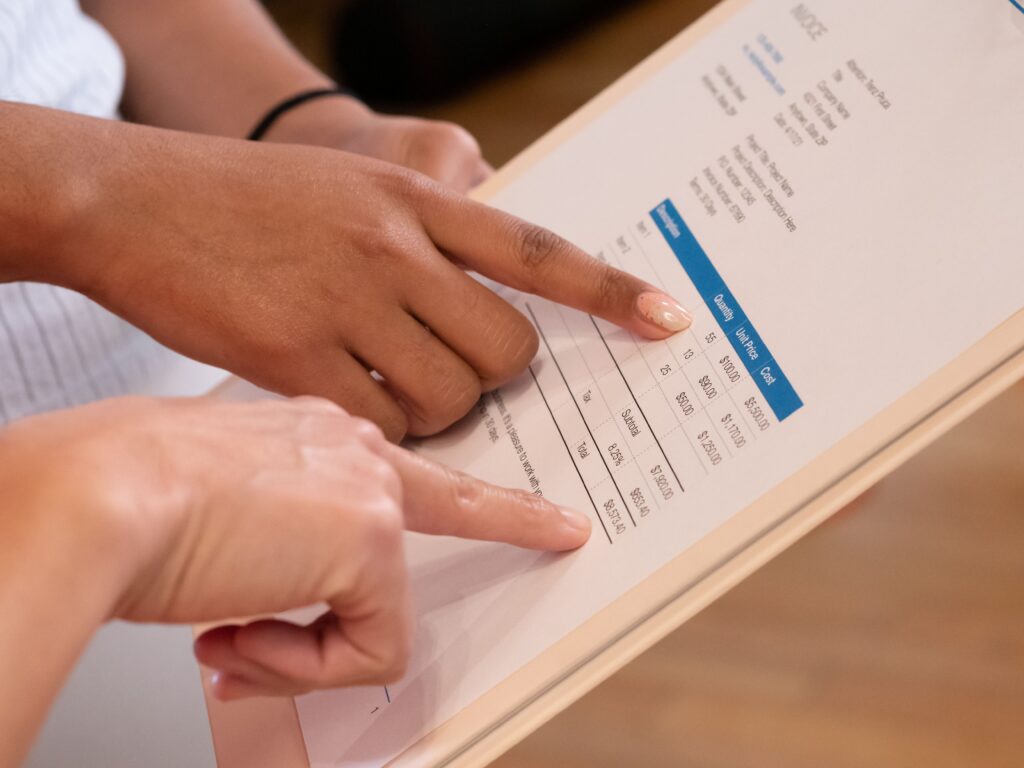
Contracts and invoices often say “days” without specifying which type. Unless a contract specifies otherwise, Law Insider defines “days” as calendar days in most legal agreements. If your contract says “payment due in 30 days,” that almost always means 30 calendar days from the invoice date.
Net 30 payment terms mean 30 calendar days, not 30 business days. A Net 30 invoice issued on Tuesday 2 June is due on Thursday 2 July, regardless of weekends or public holidays in between.
If a contract uses business days, it says so explicitly. When you see “10 business days,” weekends and public holidays drop out of the count. Always check which type your contract specifies before calculating a deadline.
Use the business days between dates calculator to confirm exact business day counts for any contract period.
Business Days vs Calendar Days for Shipping
Shipping carriers use business days for delivery estimates. A 5-business-day delivery window ordered on a Monday arrives the following Monday, not Saturday. The carrier skips Saturday and Sunday in the count.
A 5-calendar-day delivery ordered on a Monday arrives on Saturday. Calendar days include the weekend.
The difference matters most when you place an order late in the week. A 3-business-day shipment sent on Thursday arrives on Tuesday of the following week. A 3-calendar-day shipment sent on Thursday arrives on Sunday, when no one is delivering.
Always check whether a shipping estimate uses business days vs calendar days before committing to a delivery promise to a client.
Business Days vs Calendar Days for Legal Deadlines
Legal deadlines almost always use business days. Court filing windows, response periods, and notice requirements count Monday to Friday and exclude public holidays.
A 10-business-day response window starting on Thursday 4 June ends on Wednesday 17 June, skipping two weekends and any public holidays in between. The same 10-calendar-day window ends on Saturday 13 June, which then rolls to Monday 15 June under the standard rollover rule.
The difference between business days vs calendar days in legal contexts matters significantly. Missing a business day deadline by confusing it with a calendar day deadline has real consequences. Check the governing law clause in your contract or the court rules that apply before calculating any legal deadline.
Use the deadline calculator to find the exact end date for any business day deadline.
How Do You Convert Between Business Days and Calendar Days?
A rough guide for converting between the two:
| Business Days | Approximate Calendar Days |
|---|---|
| 5 business days | 7 calendar days (1 week) |
| 10 business days | 14 calendar days (2 weeks) |
| 15 business days | 21 calendar days (3 weeks) |
| 20 business days | 28 calendar days (4 weeks) |
| 30 business days | 42 calendar days (6 weeks) |
These figures assume no public holidays fall in the period. Public holidays extend business day counts further.
For exact conversions, use the business days between dates calculator and select your country. The calculator accounts for public holidays automatically.
Which Should You Use?
Use business days when the activity only happens on working days. This includes bank transfers, court filings, HR notice periods, shipping estimates, and payroll processing.
Use calendar days when time passes continuously regardless of working hours. This includes rental periods, subscription billing cycles, warranty periods, and consumer protection notice windows.
When writing contracts, specify which type you mean. Writing “10 days” without clarification invites disputes. Writing “10 business days” or “10 calendar days” removes any ambiguity.
If you receive a document that says “days” without specifying the type, assume calendar days unless the context clearly points to business operations. When in doubt, ask for clarification before the deadline passes.
Frequently Asked Questions
The questions below cover the most common queries about business days vs calendar days across contracts, shipping, and deadlines.
| Question | Answer |
|---|---|
| Calendar days vs business days: what’s the difference? | Business days count Monday to Friday only, excluding public holidays. Calendar days count every day of the week, including weekends and public holidays. For the same number, business days always take longer than calendar days. |
| Does Net 30 mean business days or calendar days? | Net 30 means 30 calendar days from the invoice date. It counts every consecutive day including weekends and public holidays. |
| How many calendar days is 10 business days? | 10 business days is approximately 14 calendar days or two weeks, assuming no public holidays fall in the period. |
| How many calendar days is 30 business days? | 30 business days is approximately 42 calendar days or six weeks, assuming no public holidays in the period. |
| Do shipping estimates use business days or calendar days? | Most shipping carriers use business days for delivery estimates. A 5-business-day delivery ordered on Monday arrives the following Monday, not Saturday. |
| What does “days” mean in a contract? | Unless the contract specifies otherwise, “days” in a contract typically means calendar days. If the contract means business days, it will say so explicitly. |
Related Calculators
- Business Days Between Two Dates
- Add Business Days to a Date
- Subtract Business Days from a Date
- Notice Period Calculator
- Deadline Calculator
Last updated: July 2026.